Views: 0 Author: Site Editor Publish Time: 2025-08-25 Origin: Site
Ever wondered how long heat-sealed foods stay fresh? Heat sealing is a popular method for preserving food. It closes the bag tightly, keeping out moisture, dust, and contaminants. In this post, you'll learn about heat sealing's importance, different types of sealers like sealer machines, step heat sealers, portable sealers, and how they impact food longevity.
Heat sealing melts the opening of a plastic bag and presses it closed, creating an airtight closure. This barrier keeps out moisture, dust, and contaminants, helping food stay fresh longer than loosely closed or clipped bags.
By blocking outside air and humidity, heat sealing slows mold growth and staling. For example, heat-sealed meat or cheese can last a few extra days in the fridge compared with loosely wrapped portions. It also helps reduce freezer burn by limiting surface exposure. Note: sealing does not stop spoilage—refrigeration or freezing is still required for perishables.
Heat sealing is quicker than canning and needs no heat treatment of the food itself, so fresh flavors remain. Compared with freezing alone, a tight seal reduces surface dehydration. Drying removes moisture but changes texture; sealing simply locks the existing moisture in. Many households combine sealing with refrigeration or freezing for best results.
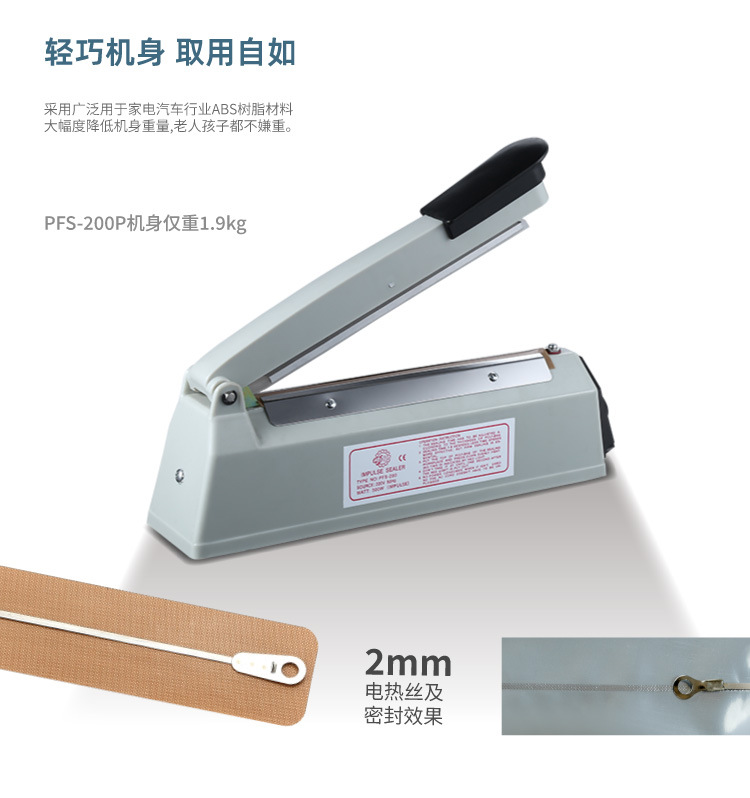
The classic countertop sealer machine uses a heated wire or bar to melt bags shut. Place the open end in the channel, press the lid, and the timer-controlled heat bar fuses the plastic. These units handle thicker bags and high volumes, ideal for meats, bulk foods, and long-term storage.
Step heat sealers close the bag in short, overlapping presses. You manually position the bag and lower the jaw each time. They give fine control over seal width but take longer. Most models seal only; they do not remove air. They suit dry goods or items that simply need a closed pouch.
Pocket-sized and battery/USB powered, portable sealers squeeze the bag edge between mini heated plates. They are convenient for resealing snacks on trips or in small kitchens, though the seal line is narrower than on full-size units.
A synonym for the above—lightweight, hand-held devices that focus on heat sealing without any air-extraction feature. Press along the bag edge to melt and close it. Best for resealing opened bags of chips, cereals, or frozen vegetables.
Meats and Fish: Highly perishable; sealing plus refrigeration gives only a modest extension (a few days). Freeze for longer keeping.
Fruits and Vegetables: Hard produce (carrots, potatoes) keeps a little longer sealed; soft berries may still mold quickly.
Dry Goods and Grains: Rice, pasta, nuts, coffee, or flour benefit most; sealing blocks humidity and pantry pests, keeping them fresh for months.
Temperature: Perishables still need the fridge or freezer; dry goods stay best in a cool, stable pantry.
Light Exposure: Keep sealed bags away from direct sunlight to slow nutrient breakdown and discoloration.
Humidity: Low ambient humidity helps; damp cupboards can still allow mold if any pinholes exist.
Handling: Avoid creasing or puncturing the seal area when stacking or moving packages.
Seal Integrity: The weld must be continuous and wrinkle-free; gaps let air and moisture enter.
Bag Quality: Use multi-layer, heat-sealable bags; thin grocery sacks may melt unevenly or split.
Machine Condition: Clean the heat bar after each session; residue causes weak, spotty seals.
Fresh Meat: 1–2 extra days in the fridge versus loosely wrapped; freeze for long-term storage (6–12 months quality life).
Fish: Similar modest fridge extension; freeze within 1–2 days for best quality.
Cooked Meats: Sealed leftovers keep about 1 week refrigerated; freeze for 2–3 months.
Hard Vegetables: 1–2 weeks sealed in the fridge; blanch and freeze for 8–12 months.
Soft Fruits: 3–7 days sealed in the fridge; freeze for 6–12 months.
Leafy Greens: 5–7 days sealed, but quality drops quickly—use quickly or freeze pureed.
Rice, Pasta, Flour: 1–2 years at room temperature when sealed and kept cool.
Nuts and Seeds: 6–12 months; sealing slows oil rancidity.
Coffee: 6 months sealed at room temp; longer if chilled.
For frequent or bulk use, pick a countertop impulse sealer with adjustable time and replaceable sealing wire. Occasional users can rely on a low-cost step or handheld unit. Ensure the jaw length fits your typical bag width.
Use Quality Bags: Multi-layer, heat-safe pouches only.
Clean Sealing Area: Wipe crumbs and moisture from the bag mouth.
Position Correctly: Lay the edge flat, no wrinkles; center it under the heat strip.
Avoid Overfilling: Leave 2–3 cm clear at the top.
Double Seal: Run a second seal line 5 mm above the first for extra security on wet or heavy items.
Refrigerate or Freeze Perishables: Sealing is not a substitute for cold storage.
Keep Dry Goods Cool and Dark: Pantry shelves away from stoves or windows.
Label and Date: Write contents and seal date with a marker.
Avoid Crushing: Stack bags gently; sharp folds can crack the seal.
Cause: wet or dirty bag mouth, wrinkles, overfill, thin bags, or residue on heat bar.
Fix: clean and dry the edge, re-position, trim and re-seal, or double-seal.
Swollen bags, off odors, or slime mean the food was already aging or the seal leaked—discard.
Prevent by starting with fresh product and refrigerating/freezing promptly.
Weak or incomplete seals: check for worn heating wire, incorrect timer, or a dirty bar.
No power: inspect cord, fuse, and switch.
Regularly wipe the heat element and replace consumable parts per the manual.
Heat sealing extends food shelf life by blocking moisture, pests, and contaminants. It is simple, low-cost, and keeps flavors intact. Pair tight seals with proper cold storage for perishables and you will cut waste and save money. Zhejiang DongFeng Packing Machine Co., Ltd. offers reliable heat sealer machines that deliver consistent, airtight closures for both home and commercial users.
A: It creates an airtight barrier that keeps out moisture, oxygen, and contaminants, slowing spoilage and freezer burn.
A: Countertop impulse sealers, step heat sealers, and portable handheld sealers.
A: No. Perishables still need cold storage; sealing only slows quality loss.
A: Food type, storage temperature, and the quality of the seal.


