
Views: 0 Author: Site Editor Publish Time: 2025-07-28 Origin: Site


Are you looking to preserve your food or products for longer? Vacuum packing machines are essential for this task. These machines remove air from bags, keeping items fresh and protected from contamination.
In this post, we’ll dive into the best ways to choose a Chamber Belt Vacuum Packing Machine and other available options.
Increased Productivity:
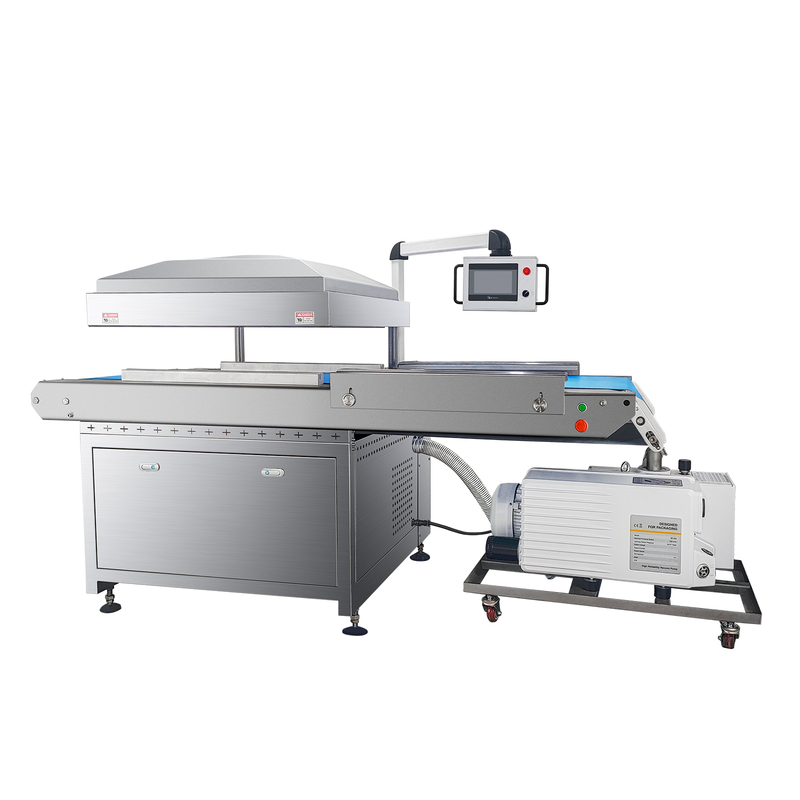
The belt-conveyor design enables automatic infeed and outfeed, so operators can load products while the previous cycle is still finishing. This cuts down on wait times, making the process much faster.
By sealing products tightly, a Chamber Belt machine prevents spoilage, making it ideal for perishable items like meats, seafood, and vegetables.
Two popular models in the market are the DZQ-800C and ZT-260. These machines vary in chamber size and sealing length, which influences their packaging capabilities.
DZQ-800C: A high-performance machine for continuous packaging, ideal for medium to large-scale production environments. It offers efficient and reliable packaging for a variety of products.
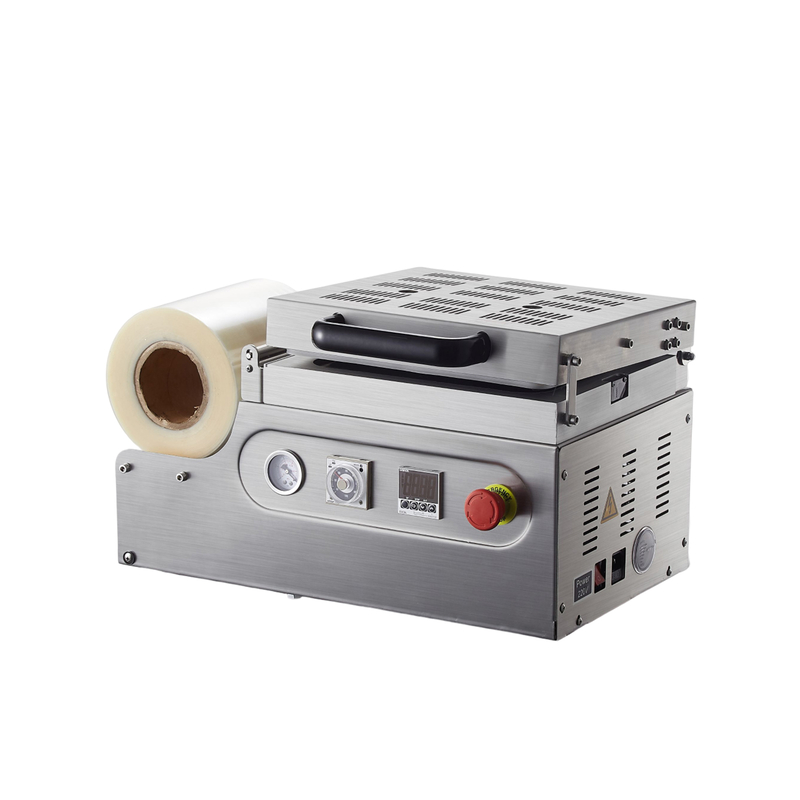
ZT-260: A skin vacuum packing machine designed for smaller-scale operations. It's ideal for packaging delicate items like seafood and meats, using a vacuum process that tightly conforms the film to the product’s surface.
| Model | Chamber Size | Sealing Length | Ideal Use |
|---|---|---|---|
| DZQ-800C | Very Large | 800mm (x2) | High-volume, continuous packing |
| ZT-260 | Small | 260mm | Small-scale, delicate products |
The DZQ-800C can handle larger packaging needs compared to the ZT-260, which is more suited for smaller, more delicate items.
When selecting a Chamber Belt Vacuum Packing Machine, there are several features to consider. These will ensure you choose the right model for your needs.
A strong vacuum pump is crucial for efficient packaging. For example, the DZQ-800C has a powerful 200m³/h pump, ensuring fast and effective air removal from packaging bags.
The vacuum power directly impacts the sealing process. A strong vacuum helps create a tight seal, preserving the product’s quality and freshness. It prevents air, moisture, and bacteria from spoiling the contents, especially for perishable items like meat and seafood.
The chamber size is one of the most important features. A larger chamber allows for bigger products to be packaged at once, while smaller chambers are better for compact or smaller items.
DZQ-800C: The DZQ-800C features a large chamber size, making it perfect for high-volume or bulk packaging.
ZT-260: The ZT-260 is more compact, ideal for smaller, delicate items that require a tight film seal.
The sealing length is how long the machine can seal a bag. A longer sealing length is necessary for larger products or bulk packaging.
For example, the DZQ-800C offers a sealing length of 800mm, making it suitable for larger or multiple products packed together.
Choosing the right sealing width is equally important. Wider seals ensure a more secure closure, preventing air leakage. Narrower seals are better for smaller items or lighter packaging needs.
Most vacuum packing machines are built with stainless steel. This material is durable, easy to clean, and resistant to rust and corrosion—ideal for maintaining hygiene in food-related industries.
Stainless Steel vs. Aluminum: Stainless steel is more durable and corrosion-resistant compared to aluminum. It’s the material of choice for industrial and food-grade machines, whereas aluminum models are lighter but may not be as long-lasting.
Durability also varies based on intended use. Industrial models tend to be heavier and built to last, while machines for home use are often lighter and less robust.
Automation features, like automatic lid operation and film cutting, simplify the packing process. For example, the DZQ-800C features automatic lid opening and sealing.
A PLC touch screen control system makes it easy to adjust settings like sealing time, vacuum time, and other parameters. This makes operating the machine smoother and more intuitive, even for beginners.
| Feature | DZQ-800C | ZT-260 |
|---|---|---|
| Automatic Lid | Yes | No |
| PLC Touch Screen | Yes | No |
| Sealing Length | 800mm | 260mm |
| Chamber Size | Very Large | Small |
The DZQ-800C offers more advanced features like touch screens, making it easier to operate for high-volume packaging tasks.
What Types of Products Can a Chamber Belt Vacuum Packing Machine Package?
A Chamber Belt Vacuum Packing Machine is incredibly versatile and can be used to package a wide range of products. Here's a breakdown of the industries and products suited for these machines.
Food Industry
Chamber Belt machines are excellent for packaging perishable food items. By removing air from the packaging, they help preserve freshness and extend shelf life.
Meats and Seafood: These products are highly susceptible to spoilage, but vacuum packing prevents oxidation and bacterial growth. Machines like the DZQ-800C are ideal for packaging meat cuts and seafood.
Fruits and Vegetables: Even fresh produce benefits from vacuum packing. It prevents moisture loss and keeps items fresh longer, which is especially useful for transportation and retail storage.
Pharmaceutical Industry
The pharmaceutical industry also relies on vacuum packing to protect products during storage and transportation. Packaging medications and medical devices in a vacuum-sealed environment helps maintain their integrity.
Medications: Vacuum packing prevents contamination, moisture, and oxygen from degrading the quality of pills, syrups, or other medicinal forms.
Medical Devices: Many medical devices, such as sterile equipment, require packaging that ensures protection from external elements. A Chamber Belt machine ensures these products remain sealed and safe.
Industrial and Retail Packaging
Beyond food and pharmaceuticals, Chamber Belt Vacuum Packing Machines also serve the industrial and retail sectors.
Industrial Components: Components like electronics, mechanical parts, and spare parts are sensitive to moisture and dust. Vacuum sealing these items helps protect them from corrosion or damage during shipping and storage.
Retail Products: Products such as cosmetics, jewelry, and even small electronics benefit from vacuum packaging. It ensures a professional look while offering tamper-proof security for valuable items.
| Industry | Example Products | Benefits |
|---|---|---|
| Food | Meat, seafood, produce | Freshness preservation, longer shelf-life |
| Pharmaceutical | Medications, medical devices | Protection from contamination, moisture |
| Industrial | Electronics, spare parts | Protection from dust, moisture, and corrosion |
| Retail | Cosmetics, jewelry, small electronics | Tamper-proof, secure, professional packaging |
Chamber Belt Vacuum Packing Machines are not just for food—these versatile machines are used across many industries to protect products and extend their life.
How to Choose the Right Chamber Belt Vacuum Packing Machine for Your Needs
Choosing the right Chamber Belt Vacuum Packing Machine depends on several factors. Your specific needs—such as production volume, budget, and power requirements—will guide your decision.
Volume and Production Requirements
First, determine the scale of your packaging operation. Are you handling high or low volumes? This will influence the machine’s capabilities.
High-Volume Operations: For continuous, high-speed packaging, models like the DZQ-800C are perfect. This Chamber Belt machine allows for uninterrupted infeed and outfeed, keeping the process moving without downtime—ideal for large-scale production.
Low-Volume Operations: For smaller businesses or lower production needs, a model like the ZT-260 may be sufficient. It’s more compact and suited for batch processing on a belt system.
| Machine | Production Type | Ideal For |
|---|---|---|
| DZQ-800C | Continuous Packaging | High-volume production |
| ZT-260 | Batch Packaging | Small-scale, delicate products |
When choosing a vacuum packing machine, you need to balance cost and functionality. Consider how much you’re willing to invest in a machine and what you get in return.
ZT-260: A more affordable option with fewer features and a compact design, ideal for small-scale businesses or delicate packaging.
DZQ-800C: A higher-end model with continuous operation and advanced features. Though it may cost more upfront, it can lead to long-term savings by increasing productivity.
Here’s a basic cost comparison for these models:
| Model | Cost Range | Features |
|---|---|---|
| ZT-260 | $2,000 - $3,000 | Compact, batch packaging, manual controls |
| DZQ-800C | $8,000 - $12,000 | Continuous operation, PLC touch screen |
Investing in the DZQ-800C may be costly, but it offers continuous operation and higher efficiency for large production scales.
Make sure the machine is compatible with your local power supply. Depending on where you are, you'll need to choose between single-phase and three-phase systems.
Single-Phase: Common for small operations, this system is ideal for businesses that don’t need high-power machines.
Three-Phase: Used for high-capacity machines like the DZQ-800C, which requires more power for continuous operation.
The DZQ-800C, for example, works on 220/380V, offering flexibility in different power systems across regions. Be sure to choose a machine that matches your power availability to ensure smooth operation.
How Do You Maintain a Chamber Belt Vacuum Packing Machine?
To ensure your Chamber Belt Vacuum Packing Machine operates efficiently and lasts a long time, regular maintenance is essential. Here’s a breakdown of the key tasks.
Routine Maintenance
Keeping your machine clean and well-maintained is crucial. This helps prevent issues and ensures consistent performance.
Cleaning the Vacuum Chamber and Seals: Always clean the vacuum chamber after each use. Wipe down the chamber and seals with a damp cloth to remove food particles, dust, or any other debris. This prevents contamination and ensures a proper seal.
Checking and Replacing Parts: Regularly inspect components like the vacuum pump, seals, and valves. If any part is worn out or damaged, replace it immediately. This helps avoid operational failures and ensures your Chamber Belt machine continues to function smoothly.
Stainless Steel Durability: The chamber of your machine is likely made of stainless steel. This material resists corrosion, but it’s important to keep it dry and clean. Check for any rust spots or wear and treat them to prevent further damage.
Troubleshooting Common Issues
Even with proper maintenance, issues can arise. Being able to identify and fix common problems can save time and prevent costly repairs.
Vacuum Pump Issues: If the vacuum pump isn’t pulling air properly, check the filters for blockages or dirt. Clean or replace them as necessary. Ensure the pump is properly lubricated to avoid wear and tear.
Sealing Problems: If the seal is weak or uneven, it may be due to worn-out seals, incorrect settings, or insufficient vacuum power. Check the sealing area and replace any damaged seals. You may also need to adjust the machine settings to achieve the proper seal.
Preventative maintenance is key to extending the life of your machine. Here are some tips to keep everything running smoothly:
Regularly Lubricate Moving Parts: Lubricate the moving parts of the machine to reduce friction and wear.
Inspect the Machine Regularly: Check for any loose parts, leaks, or abnormal sounds. Early detection of problems can save you from more serious issues down the line.
Keep the Machine Dry: Moisture can lead to rusting and other problems, especially in the chamber and vacuum pump. Always keep the machine dry and clean.
| Maintenance Task | Frequency | Purpose |
|---|---|---|
| Clean the vacuum chamber and seals | After each use | Prevent contamination and ensure a good seal. |
| Check and replace seals/pumps | Every 3-6 months | Ensure consistent operation and prevent leaks. |
| Lubricate moving parts | Every 6 months | Reduce wear and tear on machine components. |
By performing these simple tasks, you can keep your Chamber Belt Vacuum Packing Machines running like new for years to come.
Pros and Cons of Chamber Belt Vacuum Packing Machines
Chamber Belt Vacuum Packing Machines are popular for their efficiency and versatility. But like any equipment, they come with both advantages and disadvantages.
Advantages
1. High Efficiency and Productivity
One of the biggest benefits of a Chamber Belt machine is its high efficiency. The continuous belt system allows products to be loaded and unloaded while the previous cycle is still finishing, so you can package items much faster. This reduces downtime and increases overall productivity.
2. Versatility in Packaging Different Products
These machines are suitable for packaging a wide range of items, from food to industrial components. Whether you’re packaging meat, seafood, or electronic parts, a Chamber Belt machine can handle the job.
3. Reduced Labor Costs and Improved Packaging Quality
The automation of the conveying and sealing process significantly reduces the need for manual labor. It also ensures consistent packaging quality, which enhances your product’s appeal and protection.
4. Continuous Packaging
Some models, like the DZQ-800C, offer continuous packaging capabilities. The belt keeps moving, allowing uninterrupted infeed and outfeed—ideal for large-scale operations without delays.
Disadvantages
1. Larger Footprint and Space Requirements
Chamber Belt machines tend to take up more floor space because of the infeed/outfeed conveyor sections. For smaller operations or limited workspace, this can be a challenge; careful planning is required to accommodate the entire belt line.
2. Higher Upfront Investment
While they offer great benefits, Chamber Belt Vacuum Packing Machines are often more expensive than single-chamber or tabletop models. If you’re on a tight budget, the initial capital outlay might be a factor to consider.
3. Space Requirements for Larger Models
Larger machines, like the DZQ-800C, require even more linear space for the belt system. Before purchasing, ensure your facility can accommodate the full length of the conveyor and chamber assembly; poor layout planning can lead to operational bottlenecks.
Pros | Cons |
Increased productivity | Higher cost upfront |
Versatile for many products | Large footprint |
Improved packaging quality | Space planning required |
Continuous packaging options |
Understanding these pros and cons will help you decide
Chamber Belt vs. Single Chamber Vacuum Packing Machines
When deciding between a Chamber Belt Vacuum Packing Machine and a single-chamber machine, understanding the differences in functionality and cost will help you make the best choice.
Differences in Functionality
A Chamber Belt machine uses a continuous conveyor belt that carries products into and out of a single vacuum chamber, allowing non-stop loading and unloading while the previous cycle finishes. This eliminates idle time and delivers much higher throughput, making Chamber Belt machines ideal for high-volume operations.
● Single Chamber Machines: These machines have only one chamber and no conveyor. The operator must wait for the vacuum/seal cycle to complete before opening the lid and loading the next batch. They are slower but simpler, smaller, and more affordable—well-suited to small-scale or occasional use.
When is a single chamber machine a better choice?
● For smaller businesses or operations with low-volume packaging needs, a single chamber machine may be sufficient. It is easy to operate and does not require the floor space or capital investment that a Chamber Belt machine does.
Cost Comparison
A Chamber Belt Vacuum Packing Machine typically costs more up-front because of its belt-drive system, larger frame, and automation features. The added complexity enables continuous operation and higher productivity, justifying the higher price for users who need speed and volume.
Model | Price Range | Ideal For |
Single Chamber | $1,000 - $2,500 | Small-scale, low-volume use |
Chamber Belt Vacuum Packing Machines | $3,000 - $12,000 | High-volume, continuous use |
While a single-chamber machine may seem more affordable at first, the Chamber Belt Vacuum Packing Machine offers long-term value. It is built for higher productivity, so you’ll see a return on your investment faster—especially in high-demand situations.
Long-Term Investment
Although the upfront cost of a Chamber Belt Vacuum Packing Machine is higher, the investment pays off. Increased throughput, continuous operation, and reduced labor costs make it the more economical choice over time. If your business is growing and you need faster packaging speeds, a Chamber Belt machine will save both time and money in the long run.
Other Types of Vacuum Packing Machines
In addition to Chamber Belt Vacuum Packing Machines, there are other vacuum sealers designed for specific packaging needs. Each type offers unique features suited to different industries and production scales.
Continuous Vacuum Packing Machines (e.g., DZQ-800C)
Continuous vacuum packing machines are built for high-volume production. Unlike traditional batch systems, they allow products to be fed non-stop into the vacuum chamber, minimizing downtime and maximizing throughput.
● Overview of Continuous Vacuum Packing Systems
These units use a motorized conveyor belt to carry products through the sealing cycle without operator interruption. They are ideal for large-scale operations that require constant, high-speed packaging.
● Benefits of Continuous Operation in Large-Scale Production
The main advantage is the ability to process large quantities without pause, making them perfect for food-processing lines where speed and efficiency are critical.
● Example: DZQ-800C
The DZQ-800C is a powerful continuous vacuum packing machine commonly used in industrial and food-processing plants for its heavy-duty construction and high packing speeds.
Skin Vacuum Packing Machines (e.g., ZT-260)
Skin vacuum packers tightly conform clear film to the product surface, creating an attractive, second-skin appearance that also protects delicate items.
● How Skin Vacuum Packing Machines Work
A side-mounted suction port draws film down until it clings to every contour of the product, eliminating wrinkles and trapped air.
● Differences Between Skin Packaging and Traditional Vacuum Sealing
Unlike standard vacuum sealing inside a pouch, skin packaging uses a heated top web that adheres directly to the product and the backing board, offering superior presentation and reduced movement.
● Ideal Applications for Skin Packaging
Widely used for premium meats, seafood, poultry, and retail-ready electronics where visual appeal and shelf-life are equally important.
● ZT-260: Compact Design for Smaller-Scale Packaging
The ZT-260 is a compact skin vacuum packer designed for low- to medium-volume operations, small shops, or specialty retail environments where space is limited.
Machine Type | Ideal Use | Key Benefit |
Continuous Vacuum | High-volume production | High efficiency, no downtime |
Skin Vacuum | Food, retail, delicate products | Perfect fit, enhanced presentation |
These alternative machines provide solutions for different packaging needs, from high-speed industrial packing to aesthetically pleasing retail packaging.
FAQ
Q: What is the difference between a vacuum sealer and a vacuum packing machine?
A: A vacuum sealer removes air from bags to preserve food or products, while a vacuum packing machine—especially a Chamber Belt model—automates the entire sealing cycle on a continuous belt, offering greater efficiency and higher productivity.
Q: How does a Chamber Belt Vacuum Packing Machine save time?
A: The conveyor-belt design allows non-stop loading and unloading while the previous cycle is still inside the chamber, eliminating idle time and increasing packaging speed.
Q: Is a Chamber Belt Vacuum Packing Machine suitable for home use?
A: Chamber Belt machines are typically built for industrial or commercial use due to their size, throughput, and cost; they are usually too large and expensive for home kitchens.
Q: How long do vacuum-packed items last?
A: Vacuum-packed items last much longer than non-vacuum-packed ones because oxygen is removed, slowing oxidation and spoilage. Actual shelf life depends on the product type and storage conditions.
Q: Can I use a Chamber Belt Vacuum Packing Machine for packaging delicate items like electronics?
A: Yes, a Chamber Belt Vacuum Packing Machine can handle delicate items such as electronics. The vacuum process shields them from dust, moisture, and corrosion when appropriate bags and settings are used.
Conclusion: Making the Right Choice for Your Business
When selecting a Chamber Belt Vacuum Packing Machine, weigh efficiency, flexibility, and your specific business needs. These units deliver high throughput and versatility, making them ideal for large-scale or continuously running operations.
Ensure the model fits your budget, floor space, and production volume. Compare specifications and features to find the best match for your requirements. Thorough research today will support long-term savings, quality, and growth tomorrow.


